Choosing exterior materials that survive western Oklahoma
The exterior is the decision you live with longest, and the weather out here is unusually good at finding the weak choice.
September 6, 2026 · 4 min read
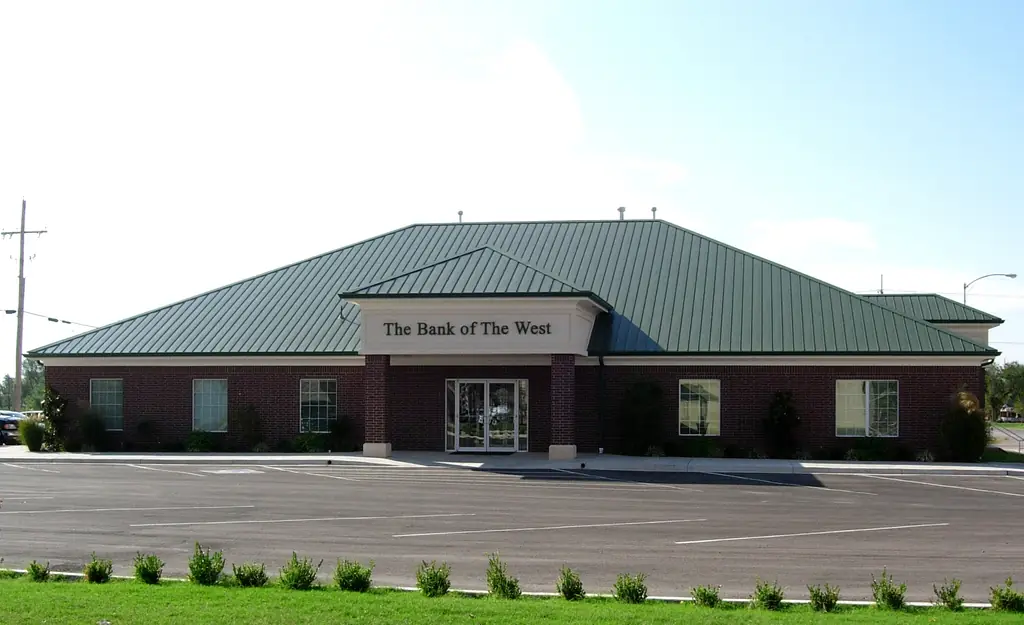
Western Oklahoma is hard on buildings. Wind is constant rather than occasional. Hail is a genuine design consideration, not a rare event. Summers run hot and long, winters swing across freezing repeatedly, and the temperature can move a long way in a single day. Materials that behave perfectly well in a milder climate can look tired here in a decade. The exterior is also the part of the building you are least likely to change, so it deserves the most thought.
Brick
Brick remains the default for a reason. It shrugs off hail, it does not fade, it handles the freeze-thaw cycle well when it is detailed correctly, and it needs very little attention. It also reads as permanent, which matters for a bank or a church where the building is partly a statement that the institution intends to still be here.
The failures in brick are almost never the brick. They are the mortar, the flashing and the drainage. A masonry wall is designed to let water get in and then get back out, and if the path out is blocked or was never built properly, the water stays and does damage you will not see for years. When you look at a contractor's older brick buildings, look at the joints and the base of the walls, not the color.
Standing-seam metal roofing
Standing-seam metal has become common on commercial buildings out here, and it suits the climate. The seams are raised above the water line and the fasteners are concealed, which removes the most common leak path. It sheds water fast, handles wind well when it is properly attached, and lasts a long time.
Two things to be realistic about. Hail can dent it, and while dents are usually cosmetic rather than a leak, an owner who will be bothered by that should know in advance. And metal moves with temperature more than most materials, so the details that allow that movement matter. A roof that is fastened as though it will never expand will find a way to tell you.
Stucco and synthetic stucco
Stucco gives a clean, continuous surface and takes color well, which is why it turns up on civic buildings and offices where the design wants fewer visible joints. Done properly, with the right substrate and a real drainage plane behind it, it performs. Done as a thin skin over a wall with nowhere for moisture to go, it is the material most likely to cause an expensive conversation in year eight. Ask specifically what is behind it.
Pre-engineered metal buildings
For shops, warehouses and service buildings, a pre-engineered metal structure is usually the sensible answer. It goes up quickly, it spans wide without interior columns, and it costs less per square foot than masonry. The mistake is treating it as automatically industrial-looking. A metal building with a masonry base, a considered entrance and decent proportions reads as a proper commercial building. Several of the energy-sector buildings around Elk City are exactly this.
- Brick: highest durability and lowest maintenance, best where permanence is the message
- Standing-seam metal roof: excellent water and wind performance, accept possible hail dents
- Stucco: clean continuous surface, only as good as the drainage behind it
- Pre-engineered metal: fast and economical for shops, dress the public face
- Mixed assemblies: masonry base with metal above is common here and works well
The detail matters more than the material
Every material on this list can last decades and every one can fail early. What separates the two is almost always the transitions: where the roof meets the wall, where the wall meets the ground, where a window is set into an opening, and where two different materials meet. Those are the places water gets in and where movement concentrates. A contractor who talks fluently about flashing and expansion is telling you something more useful than one who talks about brick colors.
It is worth deciding early what maintenance you are actually willing to do. Every exterior has an assumed level of attention behind it, and the assumption is rarely written down anywhere the owner sees. Brick asks for very little beyond keeping the drainage clear and repointing eventually. Metal asks that fasteners and sealant at the penetrations get looked at periodically. Stucco asks that damage gets repaired promptly rather than left open. An owner who knows nobody will ever get on the roof should choose differently from one with a maintenance crew, and saying so during design costs nothing.
Sawatzky has built in brick, standing-seam metal, stucco and pre-engineered metal across ten western Oklahoma towns since 1954, and a fair number of those buildings are old enough now to be honest evidence. Drive past a few before you decide.
Sawatzky Construction · (580) 772-5563
Call (580) 772-5563More articles
Design/build or design-bid-build: which one actually fits a small-town project
One contract or two is the first real decision on any building project, and it changes who is answerable when the drawings and the building disagree.
What a church building committee should settle before the first drawing
Most church projects that go sideways did so before anyone drew a line, because the committee had not agreed on what it was actually building.